Common Misconceptions About Salsa and Bachata Dancing
DF
Understanding Salsa and Bachata
Salsa and Bachata are two popular Latin dance styles that have captivated audiences and dancers worldwide. Despite their popularity, there are several common misconceptions about these dances that can confuse beginners and even seasoned dancers. This blog post aims to dispel some of these myths and provide clarity on what Salsa and Bachata are truly about.
Salsa is often associated with vibrant, fast-paced movements and intricate footwork. However, it is not just about speed and complexity. Salsa is a dance that emphasizes connection between partners, musicality, and personal expression. On the other hand, Bachata, known for its romantic and sensual style, is more than just a slow dance with swaying hips. It has its own rich history and cultural significance.
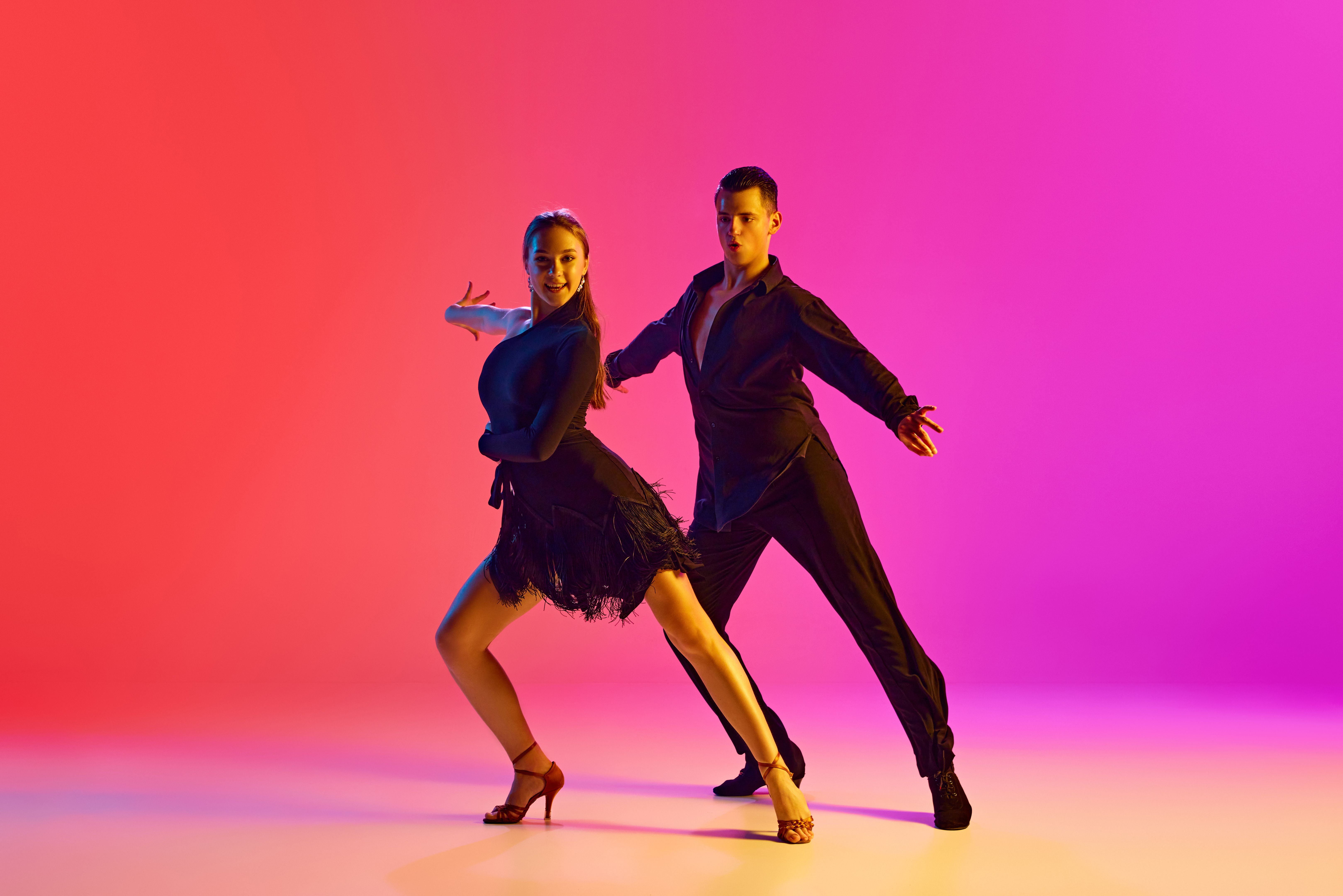
Misconception 1: Salsa and Bachata Are the Same
One of the most common misconceptions is that Salsa and Bachata are the same or very similar dances. While they both belong to Latin dance categories, they have distinct characteristics and origins. Salsa originated from Cuban and Puerto Rican influences, while Bachata hails from the Dominican Republic. The music, rhythm, and steps differ significantly.
Salsa music is typically faster, with a 4/4 time signature that encourages quick steps and turns. Bachata music, though also in 4/4 time, tends to be slower, often with a more pronounced romantic feel. Understanding these differences is crucial for anyone looking to master either dance style.
Misconception 2: You Need a Partner to Learn
Another myth is that you must have a dance partner to learn Salsa or Bachata. While having a partner can be beneficial for practice, it is not a necessity. Many dance schools and classes encourage individual learning, focusing on solo footwork and styling.
Dancing solo allows you to concentrate on your technique and rhythm without the pressure of coordinating with a partner. This independence can build confidence and enhance your overall dancing skills.

Misconception 3: It's All About the Moves
Some people believe that Salsa and Bachata are all about memorizing steps and routines. While technique is important, the heart of these dances lies in their expressive nature. Both styles encourage dancers to interpret the music and connect emotionally with it.
Dancers are urged to bring their personal flair to the dance floor, making each performance unique and exciting. This aspect of self-expression is what makes Salsa and Bachata so captivating and enjoyable to watch and perform.
Misconception 4: These Dances Are Only for the Young
There is a stereotype that Salsa and Bachata are only suited for young dancers. In reality, these dances are accessible to individuals of all ages. Many dance communities worldwide celebrate inclusivity and encourage people from diverse age groups to participate.
Dance schools often offer classes tailored for different age brackets, ensuring that everyone can enjoy the physical and social benefits of dancing. Age should never be a barrier to experiencing the joy of Salsa and Bachata.

Embrace the True Essence of Salsa and Bachata
By debunking these misconceptions, we hope to inspire more people to explore the world of Salsa and Bachata dancing. These dance styles offer a rich tapestry of culture, emotion, and community. Whether you're looking to learn for fun, fitness, or personal growth, embracing the true essence of these dances can lead to a rewarding experience.
Remember, Salsa and Bachata are more than just dance forms; they are expressions of life, love, and passion. So, put on your dancing shoes and step into a world filled with rhythm and joy.